Figure 1 from The Key Role of MicroRNAs in Self Biology Diagrams The control of cell proliferation by microRNAs (miRNAs) is well established and the alteration of these small, non-coding RNAs may contribute to tumor development by perturbing critical cell cycle regulators. Oncogenic miRNAs may facilitate cell cycle entry and progression by targeting CDK inhibitor … MicroRNAs (miRNAs) have attracted considerable attention because of their important roles in development, normal physiology, and disease states including cancer. Recent studies have identified specific miRNAs that regulate the cell cycle and have documented that the loss or gain of miRNA-mediated cell-cycle control contributes to malignancy. miRNAs regulate classic cell-cycle control pathways

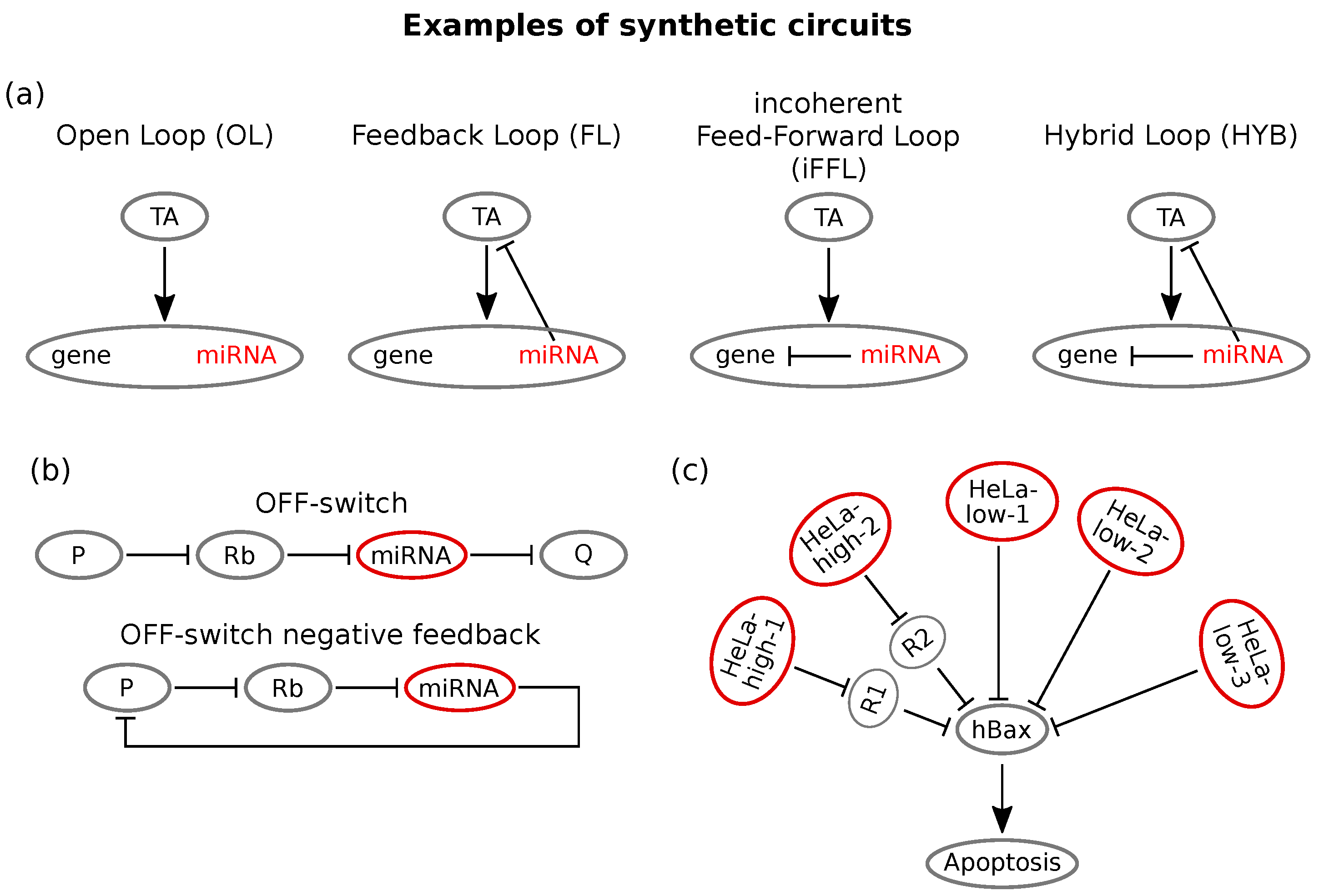
miRNA-mediated regulation of cell cycle in HSCs. (a) The schematic describes miRNAs (e.g. miR-125, miR-126, miR-33, miR-146 and let-7) with critical roles in the cell cycle regulation in adult HSCs by directly targeting cell cycle components. Furthermore, miR-29 and miR-124, which target components involved in DNA methylation, indirectly In this study, we have analyzed microRNA regulation of translation at additional stages of the cell cycle. We observe the strongest repressive potential in the S and S/G 2 phases with minimal repression in the G 1 phase. Since asynchronously growing cells are predominantly in G 1, these data may explain the variability in magnitude of microRNA-mediated repression reported in the literature. Moreover, alteration of microRNA levels can contribute to pathological conditions, including tumorigenesis, that are associated with loss of cell cycle control. In this review we highlight recent data linking microRNAs to mammalian cell cycle regulation. We describe how specific miRNAs function within pathways that control cell cycle checkpoints.

Circular reasoning: microRNAs and cell Biology Diagrams
2.3. Cell Cycle Regulation. Next, we study the roles of microRNA in modulation of cell cycle by incorporating a microRNA, that is, miR369-3, into a detailed model. Recently, experimental report by Vasudevan et al. revealed that microRNA can up-regulate gene expression in G0/G1 arrest during mammalian cell cycle [].In fact, they carried out a series of experiments by connecting a reporter mRNA
However, the biological relevance of such an miRNA-mediated regulation of the cell-cycle machinery in vivo remains unclear. One of the best-described examples of miRNAs that target cell-cycle proteins is the miR-34 family, which includes family members miR-34a, miR-34b, and miR-34c.
MicroRNAs and cell cycle regulation Biology Diagrams
The cell division cycle is regulated through multiple molecular pathways and checkpoints. Most adult mammalian cells are quiescent (i.e. out of the cell cycle) and re-entry into the cell cycle requires the inactivation of the retinoblastoma protein (pRB) and the transcription of genes required for DNA replication during S (for DNA Synthesis) phase or chromosome segregation during mitosis (M

miRNA-mediated regulation of cell cycle in HSCs. (a) The schematic describes miRNAs (e.g. miR-125, miR-126, miR-33, miR-146 and let-7) with critical roles in the cell cycle regulation in adult HSCs by directly targeting cell cycle components. Furthermore, miR-29 and miR-124, which target components involved in DNA methylation, indirectly
